What Are Sports Cards? A Beginner's Guide
What are sports cards, what types are there, and why are some worth a fortune? A plain-English beginner's guide to the hobby - no jargon, no fluff.
Maybe you've seen someone on TikTok rip open a pack and lose it over a single card. Or heard that a card sold for more than a decent car. And now you're wondering: what even are sports cards, and why is everyone so obsessed?
No worries - here's the plain-English rundown. No jargon, no fluff, no "real collectors already know." Just what you actually need to get what this is about - from what a card is to why some are worth a small fortune.
What are sports cards?
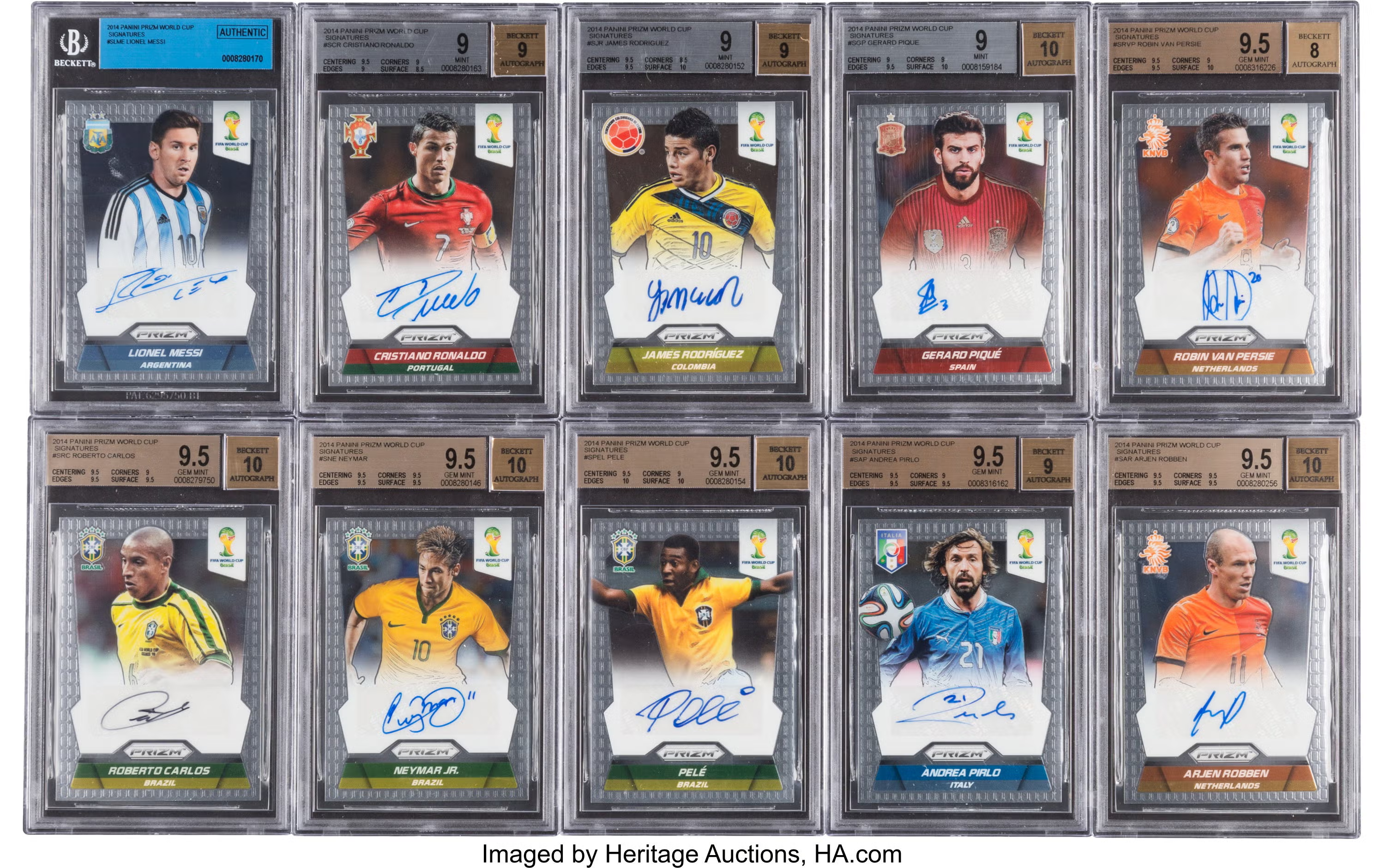
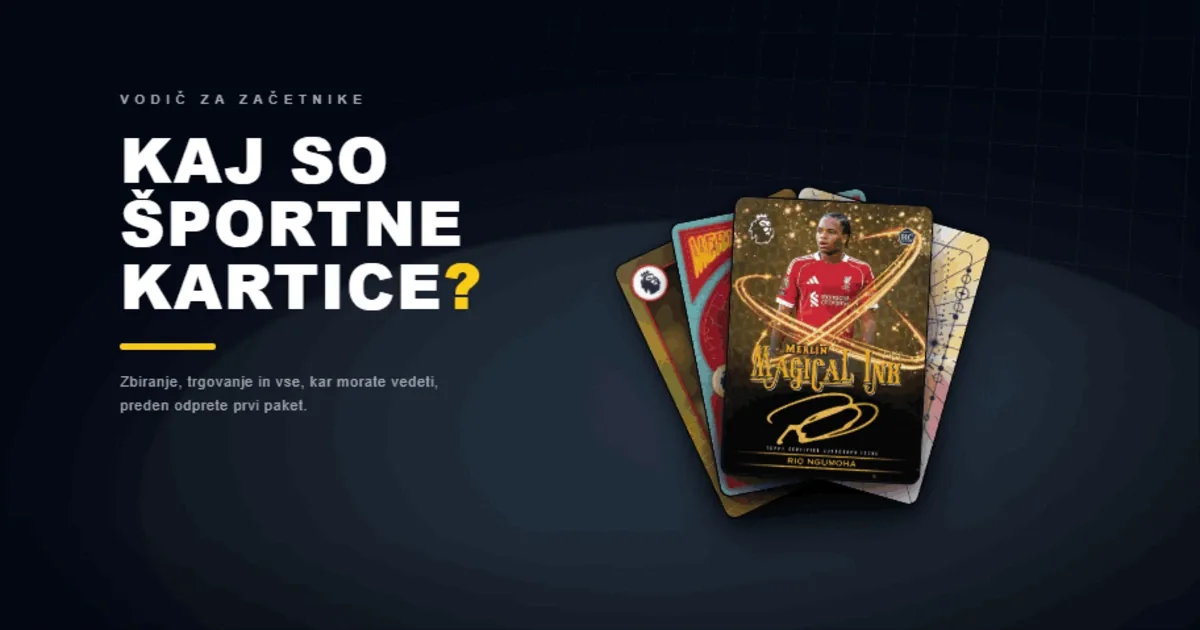
Sports cards are collectible cards featuring athletes - footballers, basketball players, and more. Each card shows a player (usually a photo), their team, and a few details. They're made by companies like Panini and Topps, released in sets (series), with a new release each year.
You buy them in packs - small wrapped bundles of random cards - or in bigger boxes, much like Pokémon, Yu-Gi-Oh!, One Piece and other TCG card brands. And just like those, the magic is in the opening: you never know what you'll get. Every pack is a little surprise.
Cards or stickers?
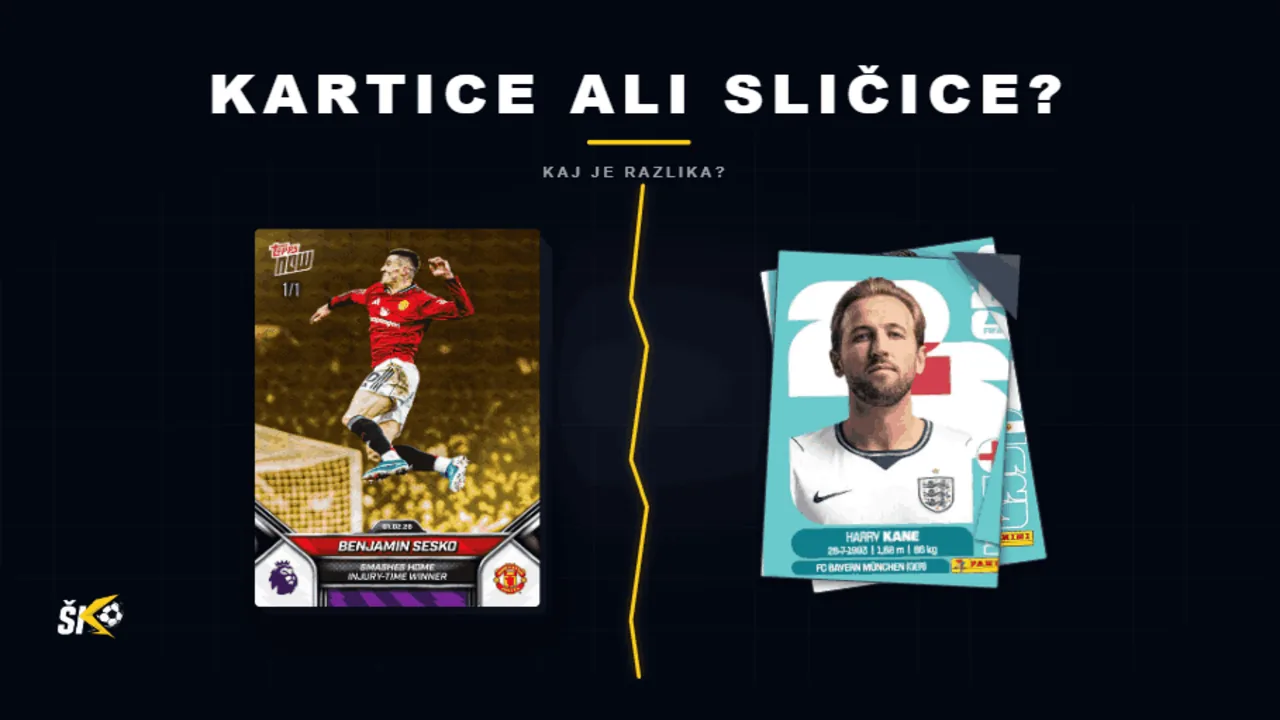
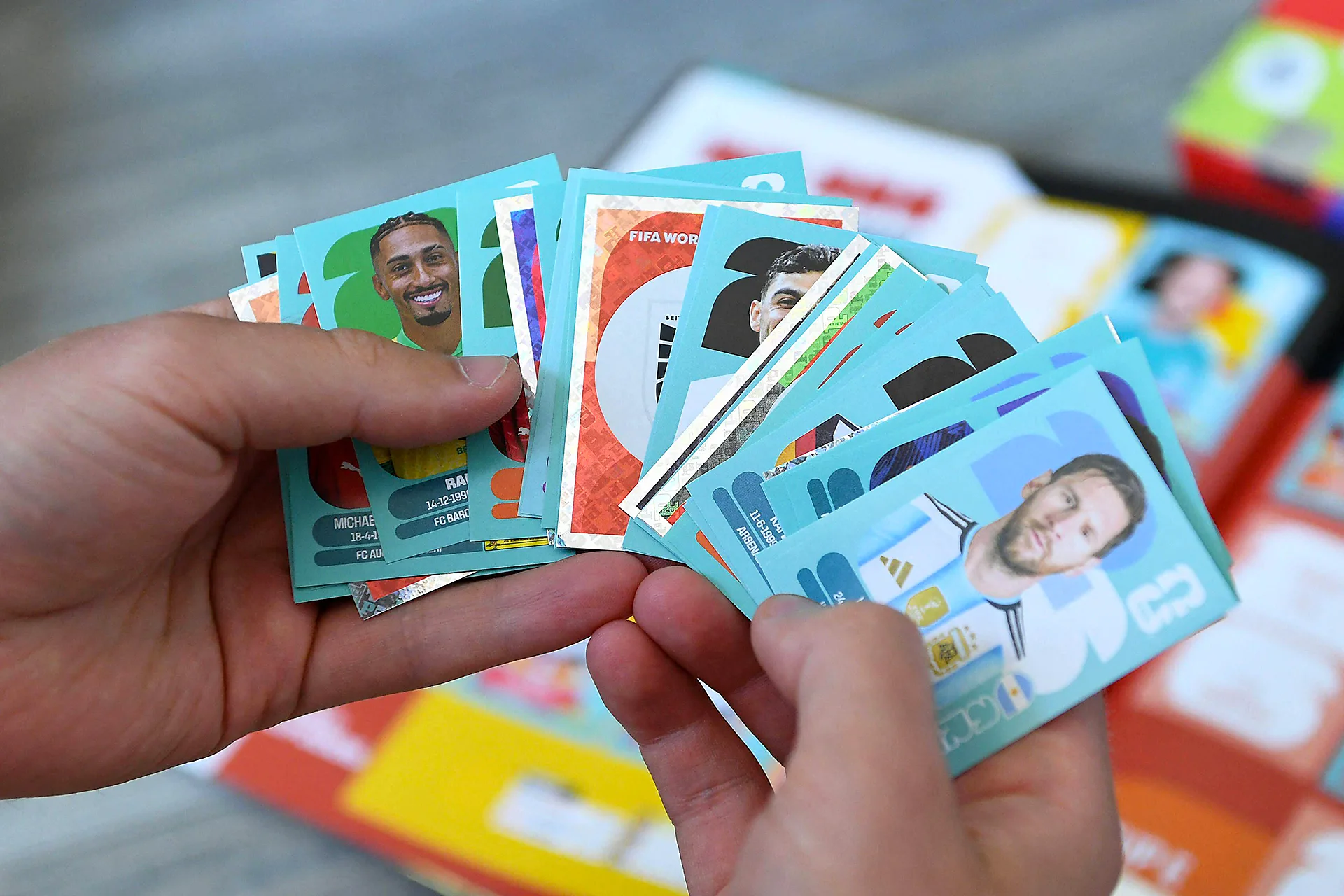
Plenty of people first picture stickers - the kind you peel and press into an album (remember the Panini World Cup album?). But stickers and cards aren't the same:
- Stickers go into an album. The goal is to fill it.
- Sports cards are sturdier, standalone cards you don't stick down - you collect, trade, and keep them. Some are rare, special, and valuable.
We deal mostly in cards - you'll find both with us, but cards are the focus, as they offer far more for collectors.
Where did the boom come from?
Cards aren't new - they've been around for decades. But the last few years, especially since 2020, brought a real explosion. Pack-opening videos on TikTok and YouTube, plus headline-making sales of the priciest cards, lit the fuse. Suddenly the hobby was "cool" again - for every generation, from kids to their parents.
What's on a card
Every card has two sides. The front carries the player photo, name, team, and the set's design. The back usually has the card number, a short bio, or stats. Keep an eye out for:
- the set and year (e.g. Panini Prizm),
- the card number in the set,
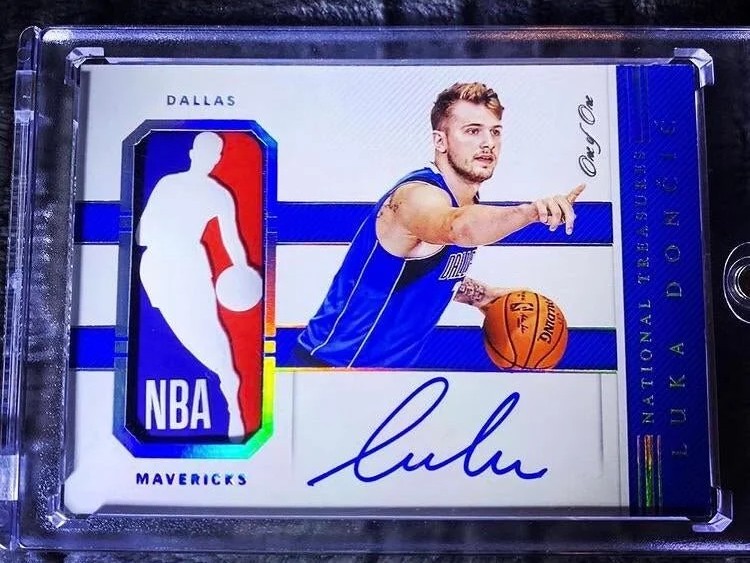
- on special cards, a serial number like "/99" - meaning only 99 of that card exist worldwide.
Simple rule: the fewer there are, the more sought-after the card.
Types of cards
A quick tour of the most common types - so you can follow what collectors are talking about:
- Base card - the standard card from a set. The most common.
- Insert - a special card with its own design, slipped in among the base cards.
- Parallel - a version of a card in a different colour or finish; often rarer.
- Short print (SP) - printed in smaller numbers than the rest; harder to find.
- Rookie card (RC) - a player's first official card, from the set of their debut season. Among the most wanted, especially if the player becomes a star.
- Autograph (auto) - a card actually signed by the player.
- Memorabilia (patch/relic) - contains a small piece of a jersey or other gear.
No need to memorise it all at once - you can always come back to this list.
How cards are sold
You'll usually come across them like this:
- Pack - the smallest unit; a few random cards. Perfect for starting out and for that pure surprise.
- Blaster / box - several packs together. A better shot at something special, at a higher price.
- Box break - several people split one (often pricey) box; each pays their share and gets the cards of a chosen team or player.
Which format suits you depends on your budget and how much you want to chase. (We'll dig into that in a separate guide.)
Why are some cards worth so much?
Why is one card worth a few cents and another thousands? The main factors:
- Rarity - the fewer there are (say, numbered /10), the more they're worth.
- The player - stars and promising rookies are in higher demand.
- Rookie cards - a player's earliest cards are often the hottest.
- Condition - pristine cards are worth more.
- Demand - if lots of people want a card, the price climbs.
Because condition matters, there's also grading: you send a card to an independent company (the best known is PSA), which rates its condition on a 1–10 scale and seals it in a protective case. The same card graded 10 ("gem mint") can be worth several times the ungraded version.
One important thing: collecting is not a guaranteed earner. It's about the love of the hobby, collecting, and sport - any profit is a side note, not the plan.
Why do we collect?
And here's the best part. Why bother? Because it's simply fun:
- The chase - the rush of opening a pack, hoping for that one card.
- Fandom - cards of your club and favourite players.
- Nostalgia - plenty of people come back to it years later (remember those childhood stickers?).
- Community - trading, talking, and sharing what you pulled.
And you don't need to spend big. A single pack already gives you that feeling.
The biggest brands and sports
The two biggest names are Panini (with lines like Prizm, Select, and Mosaic) and Topps (e.g. Chrome). The two most popular categories here:
- football (soccer) cards - the Premier League, Champions League, the World Cup, and national teams;
- basketball cards - mainly the NBA (and yes, Luka Dončić cards are among the most wanted around here).
You'll also find cards for plenty of other sports.
FAQ
Are sports cards a good investment? Some cards do gain value over time, but no one can guarantee it. Collect because you enjoy it - any value is a nice bonus, not something to chase.
How much do I need to start? A few euros for a single pack. You don't need an expensive box to feel the thrill of the rip.
Are stickers and cards the same? No. Stickers go in an album; cards you collect and keep. We focus mostly on cards.
Which cards are good for a kid? Affordable packs of popular leagues or a favourite player. No need for pricey releases to get going.
So, ready?
Now you know what sports cards are, what types exist, and why some are little treasures. The best bit is what's left - discovering it for yourself.
Explore our range and open your first pack or box.
Share
Related Posts
Album stickers and trading cards - are they the same thing? A plain-English guide: what you stick, what you keep, and how stickers, Adrenalyn XL and hobby cards connect.
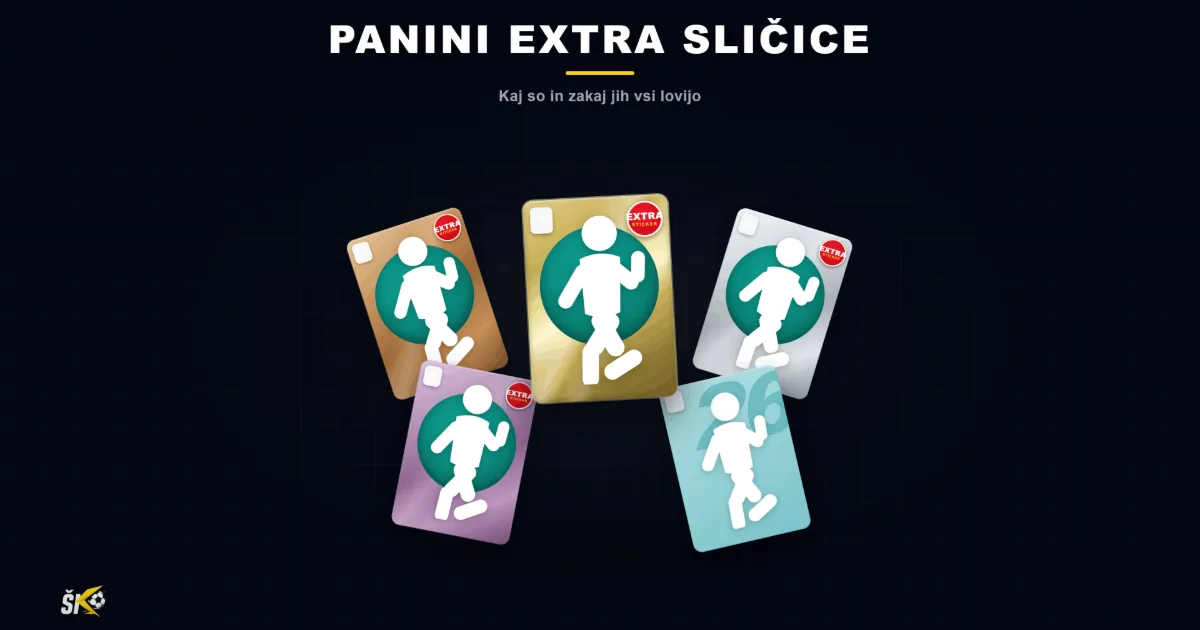
What are Panini World Cup 2026 Extra Stickers? Rare star-player stickers in gold, silver and bronze - outside the album, a bonus chase. Where to get them.
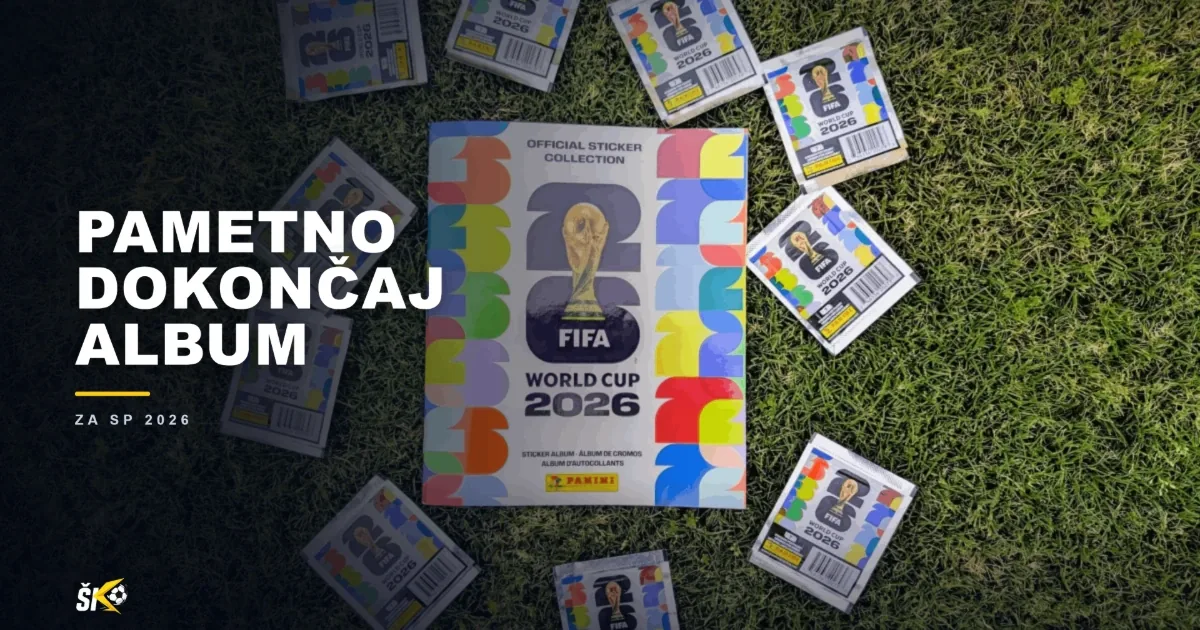
Finish the Panini World Cup 2026 album without buying a thousand packs: swap your doubles, top up the missing few directly, and leave packs for last.